What is Gentle Nutrition? 5 Real-Life Examples

Gentle nutrition is the tenth and final principle of intuitive eating. It's also one of the most commonly misunderstood components. Many people hear the word "nutrition" and automatically assume it means rigid rules, calorie counting, or "good" vs. "bad" foods. But gentle nutrition is very different. It's about caring for your body with food flexibly and compassionately, without guilt, restriction, or diet rules.
If you've ever wondered, "Okay, but what does gentle nutrition actually look like in real life?" this post is for you.
Jump to:
What is Gentle Nutrition?
At its core, gentle nutrition is about making food choices that honor your whole self. It's caring for your physical, mental, and emotional health. In gentle nutrition, your physical body and your taste buds are both deserving of your consideration. Instead of striving for perfection, you focus on balance, variety, and satisfaction.
Here's how Evelyn Tribole and Elyse Resch, the dietitians who wrote the original Intuitive Eating book, describe the principle of gentle nutrition:
Make food choices that honor your well-being, taste buds, and culture; while attuning to how your body feels. Remember that you don't have to eat perfectly to be healthy. You will not suddenly get a nutrient deficiency from one snack, one meal, or one day of eating. It's what you eat consistently over time that matters. It might be surprising for you to learn that what you eat and how you move your body only accounts for ten percent of your health. Progress, not perfection, is what counts.
Evelyn Tribole, MS, RDN and Elyse Resch, MS, RDN, Authors of Intuitive Eating
Gentle nutrition doesn't ask you to eat perfectly. Instead, when you practice this principle of intuitive eating, you might consider:
- What foods feel good to me?
- What will give me energy and satisfaction right now?
- What do I need to feel nourished over the long term?
Unlike dieting, gentle nutrition considers your whole relationship with food, your mental health, and your body's unique needs and preferences.
Why Gentle Nutrition Matters
Many people feel stuck between two extremes: strict dieting or throwing nutrition out the window. Gentle nutrition provides a sustainable middle ground. It helps you:
- Support long-term health without obsession
- Make food choices that feel good physically and emotionally
- Break free from guilt or disordered eating while still caring for your body
So what does that look like in real life?
Here are 5 everyday examples:
1. Adding Instead of Restricting
As a dietitian and certified intuitive eating counselor, I love the concept of "nutrition by addition." With this approach, the focus is on adding more nutrient-rich foods, instead of restricting or eliminating foods.
Take your favorite pasta dish. Instead of cutting carbs, you might toss in a can of chickpeas for protein and add roasted veggies for fiber and color. This way, the meal is balanced and satisfying, and you get to enjoy your favorite foods and flavors. (Check out my Vegetarian Pesto Pasta with Veggies to see this strategy in action.)
And if you're wondering how gentle nutrition fits into plant-based lifestyles, read my post about intuitive eating for vegetarians here.
2. Balancing Cravings and Nourishment
Gentle nutrition doesn't force you to choose the "healthiest" option every time. It's more about asking, "What will make me feel good, both now and later?"
Save This for Later
Free. Unsubscribe anytime.
For example, maybe you're craving something sweet in the afternoon. Some days, you might opt for your favorite bakery chocolate chip cookie. Other days, you might choose a homemade energy bar with oats and dates. Or you might pair the cookie with a Greek yogurt cup or matcha latte with milk once you realize this helps keep your energy levels stable.
All choices are valid. Gentle nutrition invites you to notice how different combinations make you feel and trust yourself to choose what's best for you in each moment.
3. Tuning into Body Cues
Gentle nutrition works best when paired with awareness of your hunger and fullness cues. This is an important part of interoceptive awareness, which is the ability to recognize and interpret bodily sensations-a core skill of intuitive eating.
If you notice that a "breakfast" of just coffee leaves you dragging by mid-morning, you might experiment with adding eggs, a yogurt bowl, or avocado toast to your morning meal. Notice how your energy, mood, and hunger cues change based on what (and how much) you've eaten earlier in the day.
4. Choosing Foods to Support Your Health
Gentle nutrition can also mean choosing foods that support your body's specific health needs.
For example, if you have diabetes, you might enjoy your usual sandwich but swap in whole-grain bread or add leafy greens for extra fiber and nutrients. If you notice dairy upsets your digestion, you might use a dairy-free milk alternative or add a cup of ginger tea to help you feel more comfortable. Notice that these choices aren't motivated by restriction or a desire for weight loss. Instead, you're eating in a way that helps you feel your best.
The key is noticing how different foods affect your body and using that information to make choices that support your wellbeing, all while still doing what you can to enjoy the foods you love.
5. Flexibility Over Perfection
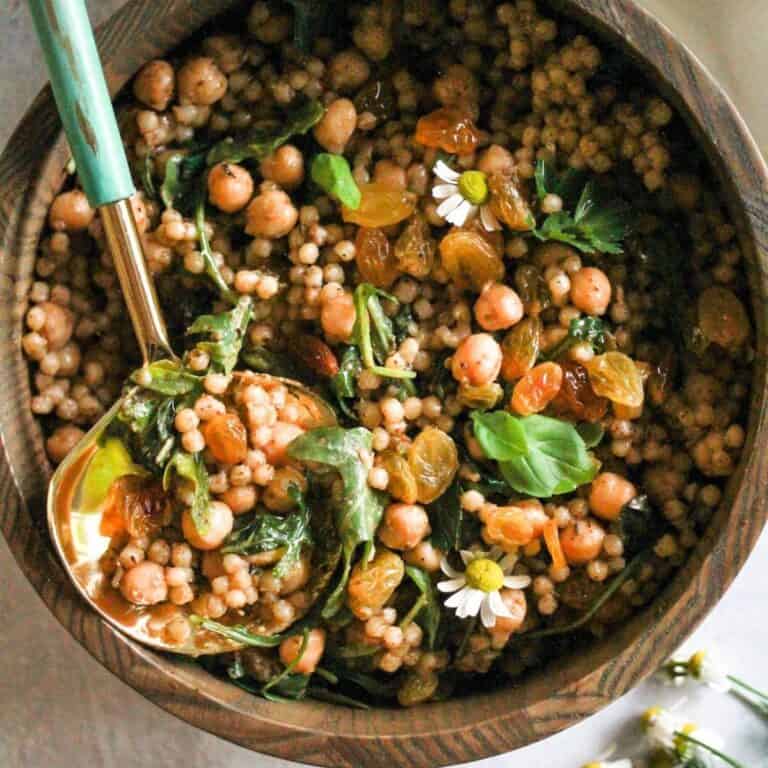
Sometimes gentle nutrition looks like cooking a veggie-packed meal at home with fresh herbs and a flavorful sauce (think Greek-Inspired Baked Falafel Bowl with Grains). Other times, it's grabbing takeout or reheating a frozen meal because that's what works best for your schedule, energy level, or family's needs. Both are great options for nourishment.
Gentle nutrition isn't about perfection or rigid rules. It's about finding balance in the real world. Some days you might feel inspired to try a new recipe from scratch. Other days, you might rely on convenience foods to keep yourself nourished and sane.
It also means giving yourself grace when things don't go as planned. Maybe you intended to have a homemade salad at lunch, but ended up getting burgers with your coworkers instead. One meal isn't going to make or break your health. Gentle nutrition encourages you to enjoy what's in front of you without guilt, notice how it makes you feel, and make the next choice based on your unique needs, not on lingering "shoulds" instilled in you by diet culture.
Ultimately, this approach leaves space for flexibility, enjoyment, and sustainability, which helps you build a lasting, positive relationship with food that fits your life.
FAQ
Gentle nutrition is the tenth principle of intuitive eating. It involves making food choices that support your body's needs, energy, and wellbeing without following strict rules or labelling foods as "good" or "bad." It emphasizes noticing how different foods make you feel, adding nutrient-rich foods rather than restricting, and making choices that fit your preferences, culture, and any specific health considerations. The goal is balance, flexibility, and sustainability, rather than perfection.
A "gentle diet" isn't a diet in the traditional sense. It doesn't involve strict calorie counting, eliminating, or deprivation. Instead, it's a mindset that combines intuitive eating and gentle nutrition: focusing on foods that nourish your body, enjoying the foods you love, and listening to your hunger, fullness, and energy cues. It's called "gentle" because it supports your health without stress, guilt, or rigid rules.
Yes. Gentle nutrition, which is a principle of intuitive eating, can be adapted for health needs (like diabetes, PCOS, or digestive conditions). It focuses on finding foods that support your condition while keeping food freedom and satisfaction at the center of your choices.
Bringing it All Together
Gentle nutrition is about adding care, not taking away joy. It means listening to your body, choosing foods that feel good, and focusing on the bigger picture. When practiced with flexibility and self-compassion, gentle nutrition can help you feel nourished, energized, and at peace with food.
Looking for cooking inspiration? Check out my free PDF guide with more than 100 Nourishing Meal and Snack Ideas.
If you'd like more support on your intuitive eating journey, I recommend my free 5 Days to Food Peace email course. It's a step-by-step guide to building a more relaxed, joyful relationship with food.
And if you're looking for more personalized support, I also offer 1:1 nutrition counseling. You can schedule a free discovery call to see if it's a good fit.